Mandala 3D Flowers Dandelions Review
As a designer who spends half my life staring at stitch plots and the other half troubleshooting tension issues on vintage machines, I don’t just look for "pretty" designs. I look for viability. Can this actually be stitched? Will it hold up after ten washes? Does it translate well to a retail environment where customers are judging quality with their eyes before they even touch the product? Today, I’m putting Mandala 3D Flowers Dandelions through that exact gauntlet. This isn’t just another decorative graphic; it is a digital asset positioned in the Crafts and Graphics categories that promises volume and dimension. But does it deliver when the needle starts moving?
The First Impression: Mood and Visual Personality
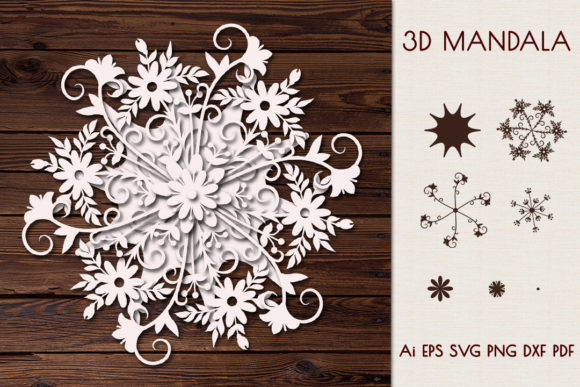
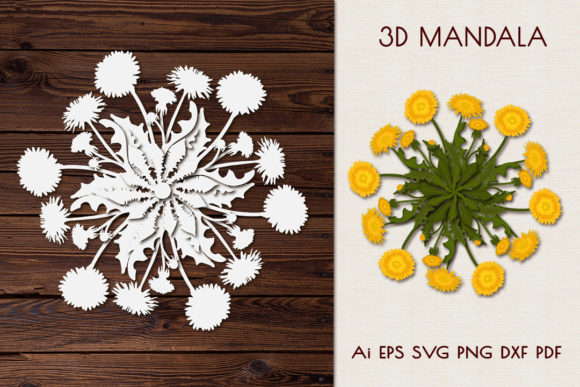
When you first load Mandala 3D Flowers Dandelions into your digitizing software, the immediate takeaway is its intricate, layered nature. The design evokes a sense of delicate complexity. It captures the ephemeral beauty of a dandelion seed head but structures it within the balanced geometry of a mandala. This creates a fascinating tension between organic randomness and mathematical precision.
For an embroidery project, this visual personality suggests versatility. It feels equally at home on a rustic linen tea towel as it does on a structured cotton canvas tote bag. The "3D" aspect mentioned in the title implies depth, which is crucial for modern handmade aesthetics. Customers today are tired of flat, two-dimensional stitching. They want texture. They want to see the layers. This design’s layout naturally lends itself to creating that voluminous effect, provided the execution is handled with care. It feels like a piece that rewards close inspection, making it an excellent choice for boutique branding or high-end personalized gifts.
Real-World Application: From Screen to Stitch
Let’s talk about how this performs in actual production scenarios. I recently considered using Mandala 3D Flowers Dandelions for a custom embroidered patch intended for a denim jacket client. The intricate details of the dandelion seeds required a design that could maintain clarity without becoming muddy. Because this is a digital file that can be used as a cut file and for printing, it offers flexibility in pre-production. You can print mockups to visualize thread placement before committing to expensive specialty threads.
In the context of small business merchandise, this design shines. Imagine a line of baby embroidery items—onesies or muslin blankets. The soft, airy feel of the dandelion motif works beautifully for nursery decor or baby shower gifts. However, the mandala structure adds a sophistication that elevates it beyond simple children's wear. It bridges the gap between playful and elegant. For Etsy sellers or craft fair participants, this duality is gold. It allows you to market the same design to different demographics by simply changing the fabric base and thread colors.
I also tested the concept on a sweatshirt embroidery project. The dense center of the mandala provides a solid anchor point, while the radiating dandelion seeds offer movement. When stitched correctly, the contrast between the fill stitch areas and the negative space creates a striking visual impact. It catches the light differently depending on the angle, adding a dynamic element to custom apparel that static prints often lack. This is particularly effective for holiday embroidery collections, where shoppers are looking for unique, handcrafted-looking items that stand out from mass-produced goods.
Where Caution Is Required
Despite its strengths, Mandala 3D Flowers Dandelions is not a one-size-fits-all solution. As an experienced reviewer, I must highlight specific areas where this design requires careful handling. The primary challenge lies in its detail level. If you attempt to stitch this in a small hoop size, you risk losing the integrity of the smaller dandelion seeds. The stitches may merge, turning the delicate filigree into a blurry blob. Always confirm the minimum viable hoop size for this design before cutting fabric.
Fabric selection is equally critical. Textured fabrics, such as heavy wools or loose-weave linens, can distort the precise lines of the mandala. Thin fabrics might pucker under the density of the central elements unless properly stabilized. Stretchy fabrics pose a significant risk; if the stabilizer isn't robust enough, the circular symmetry will warp, ruining the geometric balance. Furthermore, dark fabrics require careful thread color planning. Without sufficient contrast, the lighter, airy parts of the dandelion design may disappear into the background. I recommend testing thread colors against your specific fabric swatches to ensure visibility.
Another area to watch is curved surfaces like caps or hats. While possible, the flat nature of a mandala design can look distorted when wrapped around a curve. It is better suited for flat surfaces like aprons, pillow covers, or kitchen towels where the plane remains consistent. Decorative accents on garments should be placed away from seams and stress points to prevent distortion during wear.
Practical Designer Notes for Success
To get the most out of this machine embroidery design, follow these practical steps. First, always test the design on scrap fabric that matches the weight and texture of your final product. This helps you identify potential issues with stitch density or tension before you ruin a customer’s item.
- Stabilizer Choice: Use a high-quality cut-away stabilizer for woven fabrics to prevent puckering, especially since the design likely involves both satin stitch borders and fill stitch centers. For knits, a tear-away or stable mesh might be necessary depending on the garment type.
- Thread Colors: Experiment with variegated threads for the dandelion seeds to enhance the 3D effect, but keep the mandala core more uniform to maintain structural clarity. Contrast is key.
- Mockup Testing: Convert the design to black and white in your software to check the balance of positive and negative space. If the design looks too busy or too sparse in monochrome, adjust your thread choices accordingly.
- Licensing: Since this is a digital product, verify the license terms carefully. Ensure you have the right to sell finished products made from this design, especially if you are operating a commercial embroidery business or listing on platforms like Etsy.
Additionally, consider the end-user experience. A personalized gift featuring this design should feel substantial. Avoid placing it on items that require frequent industrial washing, as the fine details may degrade over time. Instead, focus on products like home decor, special occasion apparel, or limited-edition craft business items where longevity and presentation are prioritized.
Final Verdict on Design Assets
Mandala 3D Flowers Dandelions is a sophisticated addition to any digital embroidery file library. It successfully blends organic charm with geometric discipline, offering designers a versatile tool for creating high-value handmade products. Its ability to function as both a detailed embroidery piece and a printable graphic makes it a valuable asset for creative entrepreneurs looking to diversify their offerings.
However, success depends on execution. It demands respect for fabric properties, proper stabilization, and thoughtful thread selection. When executed correctly, it transforms a simple embroidery project into a statement piece that commands attention. For those willing to put in the preparation work, the result is a professional, trustworthy, and visually stunning finished product that resonates with buyers seeking authenticity and craftsmanship in their purchases.