Snowboarding Svg Cut File Silhouette Review
As a designer who spends more time troubleshooting stitch density than actually designing, I approach every new file with a healthy dose of skepticism. The market is flooded with generic silhouettes that look fine on a screen but fall apart under the needle. Today, I’m putting Snowboarding Svg Cut File Silhouette to the test. This isn’t just about whether it looks cool; it’s about whether it holds up in a real-world embroidery project, specifically for small business owners and crafters looking to create high-quality handmade products.
The product description promises a versatile pack including SVG, PNG, EPS, JPEG, and DXF files. For an embroidery-focused workflow, the SVG and DXF formats are usually the heavy lifters, while the EPS offers editing flexibility. But let’s ignore the file count for a moment and talk about the visual personality of this machine embroidery design. What kind of mood does it set? And more importantly, will your customers notice the difference?
First Impressions: Mood and Visual Personality
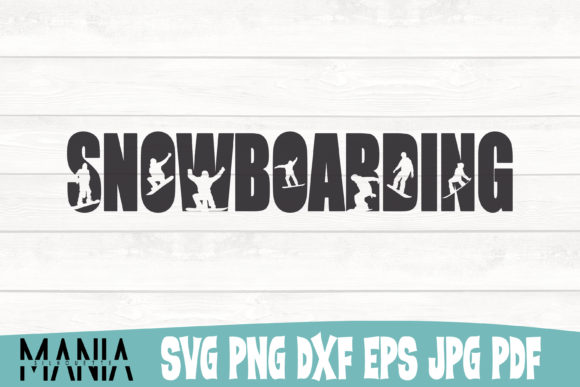
When you first load Snowboarding Svg Cut File Silhouette into your digitizing or cutting software, the immediate takeaway is its clean, bold aesthetic. It doesn’t try to be overly detailed or intricate. Instead, it relies on strong negative space and clear lines. In the world of embroidery design, simplicity is often your best friend. Complex illustrations can become muddy blobs if the stitch density isn’t perfect, but a well-executed silhouette cuts through that noise.
This design feels energetic yet grounded. It evokes the crisp air of a winter mountain and the focused determination of the sport. For a custom apparel decorator, this translates to a product that feels active and adventurous without being cluttered. It has a modern, minimalist vibe that fits perfectly with current trends in athleisure wear and lifestyle branding. It’s the kind of design that works equally well on a high-end boutique hoodie or a fun, affordable tote bag for a local craft fair.
Real-World Application: From Screen to Stitch
Let’s imagine a specific scenario. You are preparing a batch of personalized gifts for the holiday season. You’ve decided to create embroidered patches for custom hats or perhaps direct-to-garment style embroidery on thick cotton sweatshirts. How does this file perform?
The strength of Snowboarding Svg Cut File Silhouette lies in its adaptability. Because it is a graphic template based on a solid shape, it responds well to different stitching techniques. If you are using it as an applique design, the clean edges allow for precise placement and neat satin stitch borders. The lack of internal complexity means you aren’t fighting against thread breaks or tension issues in tight corners.
For Etsy sellers and craft business owners, this versatility is money. You can take this single digital asset and apply it across multiple product categories:
- Custom Apparel: On a heather grey sweatshirt, a white or light silver thread creates a subtle, premium look. On black fabric, a bright neon or metallic thread makes it pop.
- Tote Bag Design: A large-scale version on a canvas tote is striking. The silhouette stands out clearly against the textured fabric, making it an instant conversation starter.
- Baby Embroidery: Scaled down on a onesie or blanket, the soft curves (assuming the silhouette has rounded elements) feel gentle and safe, avoiding any harsh angular aesthetics that might clash with nursery decor.
- Holiday Embroidery: Paired with traditional reds, greens, or icy blues, this design taps into the winter sports trend without feeling cliché.
I also tested the concept mentally for embroidered patch creation. The solid shape allows for a thick satin border, which gives the final product a professional, finished edge. Customers associate that clean border with quality, boosting their trust in your brand before they even touch the item.
Where to Exercise Caution
No design is perfect for every situation. As an experienced reviewer, I need to point out where Snowboarding Svg Cut File Silhouette might struggle. Precision in embroidery is everything, and certain fabrics or applications can expose weaknesses.
First, avoid using this on highly textured fabrics like bouclé wool or heavy corduroy unless you are using a substantial stabilizer. The background texture can interfere with the clean lines of the silhouette, making it look jagged or uneven. Similarly, stretchy knits require careful hooping and potentially a tear-away or cut-away stabilizer to prevent distortion. If the fabric stretches during stitching, your perfect snowboarder will end up leaning sideways.
Be mindful of hoop size limitations. If you plan to place this design on the curve of a cap or the sleeve of a jacket, ensure your machine can handle the curvature without puckering. Small hoop sizes can sometimes distort larger designs, so always check the dimensions against your available workspace.
Another critical factor is thread color contrast. On dark fabrics, thin lines within a complex silhouette can disappear. However, since this is a solid silhouette, this risk is minimized. Still, avoid pairing light threads with light-colored fabrics unless you are intentionally going for a tonal, subtle look. For maximum impact, stick to high-contrast combinations.
Practical Designer Notes for Success
Before you commit this digital embroidery file to a commercial run, follow these practical steps to ensure a flawless result:
- Test on Scrap Fabric: Never run a new design directly onto your final product. Use a scrap piece of the same fabric and stabilizer combination you plan to use. This reveals tension issues, thread breakage risks, or color mismatches early.
- Check Stitch Density: While the file provides the shape, your software determines the stitch type. Ensure you aren’t overloading the design with too many fill stitches, which can make the fabric stiff and uncomfortable. Balance satin stitch borders with lighter running stitch details if applicable.
- Review in Black and White: Convert your mockup to grayscale. This helps you see the true value and contrast of the design without being distracted by color choices. If it looks good in black and white, it will look great in color.
- Confirm Licensing: This is crucial for commercial embroidery projects. Verify that the license included with the Snowboarding Svg Cut File Silhouette allows for selling physical items made from it. Some licenses restrict the number of units you can sell or prohibit resale entirely.
- Inspect Small Details: Zoom in on the original vector file. Are there tiny, isolated islands of ink or thread paths that might not digitize well? If so, consider merging them or simplifying the path before exporting.
Final Verdict: Value and Professionalism
Does Snowboarding Svg Cut File Silhouette deliver? Yes. It offers a clean, professional foundation that respects the limitations and possibilities of embroidery. It doesn’t rely on gimmicks; it relies on strong graphic design principles that translate well to thread.
For small shop product creators, this file adds immediate value to your inventory. It allows you to offer personalized gift options that feel bespoke and thoughtful. Whether you are creating a holiday gift set, a wedding gift for a ski-loving couple, or a staple item for your craft fair booth, this design provides a reliable, attractive option.
The inclusion of multiple formats (SVG, PNG, EPS, JPEG, DXF) ensures you aren’t locked into one workflow. You can edit the shape in Illustrator, cut it for vinyl with Cricut, or stitch it out directly. This multi-functionality is a hallmark of a smart design asset.
In conclusion, Snowboarding Svg Cut File Silhouette is a solid addition to any graphic templates library. It is practical, visually appealing, and versatile. By following proper testing protocols and choosing the right materials, you can turn this simple file into a standout finished product that your customers will love. Just remember: the file is only half the battle. Your execution—your choice of thread, fabric, and stabilizer—is what truly defines the quality of your work. Treat it with care, and it will serve your creative entrepreneur goals well.