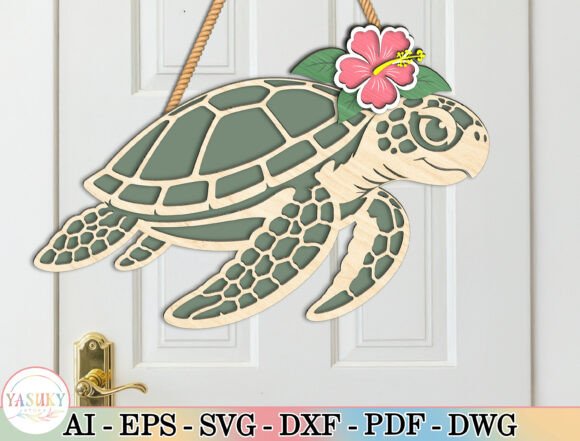
Sea Turtle Layered Laser Cut File SVG
In the world of digital publishing, visual assets are not merely decorative; they are functional tools that dictate reader engagement, trust, and conversion. As a blog designer who has spent years optimizing content for both aesthetic appeal and performance metrics, I evaluate every graphic design asset with a critical eye toward its utility in real-world editorial environments. Today, I am reviewing the Sea Turtle Layered Laser Cut File SVG, a design element that promises to bring a specific tropical coastal charm to digital spaces. This review focuses on how this asset integrates into a professional publishing workflow, supporting everything from featured images to downloadable lead magnets.
First Impressions and Editorial Mood
The moment you load the Sea Turtle Layered Laser Cut File SVG, the design communicates a distinct mood: relaxed, elegant, and intricately detailed. The description highlights an "elegant sea turtle silhouette with intricate shell details and a vibrant Hawaiian" theme. From a publisher’s perspective, this translates to a lifestyle-focused, artistic, and clean visual identity. It avoids being overly playful or childish, instead leaning into a sophisticated aesthetic that appeals to readers interested in wellness, travel, home decor, and sustainable living.
This editorial mood is crucial because it sets the tone before a user reads a single word of copy. A design that feels polished and intentional increases perceived authority. The layered nature of the file suggests depth and complexity, which can elevate simple blog posts into premium-looking content experiences. It supports a niche that values aesthetics as much as information, making it ideal for creative entrepreneurs, small business branding efforts, and lifestyle bloggers who need to maintain a consistent brand identity across platforms.
Integrating Into Real Publishing Workflows
A high-quality design asset must be versatile enough to serve multiple functions within a content marketing strategy. Here is how the Sea Turtle Layered Laser Cut File SVG fits into standard digital publishing workflows:
- Blog Featured Images and Headers: Use the layered elements to create unique article headers. Because it is an SVG, you can scale it without losing quality, ensuring crisp visuals on retina displays and large desktop monitors.
- Pinterest Pins and Social Media Graphics: The intricate shell details provide excellent visual interest in crowded social feeds. When designing Pinterest pins, use the turtle silhouette as a background texture or a central focal point to stop the scroll.
- Digital Guides and Lead Magnets: For downloadable resources like eBooks, worksheets, or checklists, this asset adds a touch of professionalism. It transforms a basic PDF into a branded product that users feel confident downloading.
- Newsletter Banners: Incorporate the design into your email header to reinforce brand recognition. The tropical theme works well for seasonal newsletters or content related to summer, travel, or relaxation.
- Category Thumbnails: If your website features categories like "Home Decor" or "Lifestyle," use this SVG to create custom category icons that stand out against standard stock photography.
- Website Banners and Hero Sections: The layered aspect allows for parallax effects or overlapping elements in web design, creating a dynamic hero image that invites exploration.
Impact on Content Performance and User Trust
Visual hierarchy is the backbone of effective web design. By using the Sea Turtle Layered Laser Cut File SVG, you establish a clearer visual structure that guides the reader’s eye. A strong first impression reduces bounce rates by keeping users engaged longer. When content looks professional, readers subconsciously associate the visual quality with the quality of the information provided, thereby improving reader trust.
Furthermore, consistency in design assets strengthens brand identity. Using the same graphic style across your website, social media, and email newsletters creates a cohesive experience. This cohesion makes your content more recognizable and memorable. In affiliate marketing contexts, where click-through potential is key, visually appealing graphics can significantly boost CTR by making links and calls-to-action appear more trustworthy and inviting.
Strategic Placement and Visual Hierarchy
To maximize the effectiveness of this asset, consider where it performs best within your layout:
- Hero Images: Place the full layered design behind headline text to create a powerful opening statement.
- Article Thumbnails: Use simplified versions of the shell details as subtle textures in thumbnail backgrounds.
- Editorial Accents: Insert smaller cut-out layers as bullet points or section dividers to break up long-form text.
- Content Upgrades: Feature the design prominently on opt-in pages for exclusive resources to increase conversion rates.
- Social Media Previews: Ensure the design remains legible and striking even when scaled down for mobile previews.
Areas Requiring Careful Consideration
While the Sea Turtle Layered Laser Cut File SVG is versatile, there are scenarios where it may not be the optimal choice. Avoid using this asset in serious professional niches such as corporate finance, legal services, or medical journals, where a minimal and formal visual system is required. Additionally, exercise caution when placing the design over busy layouts or low-contrast backgrounds, as the intricate details may become lost. On small mobile thumbnails, complex layering can sometimes clutter the view, so simplify the design or use solid color fills in those instances. Text-heavy blog images should also be paired carefully; ensure the turtle silhouette does not compete with your headline text for attention.
Practical Publisher Notes for Implementation
Before integrating any design asset into a monetized website or affiliate page, thorough testing is essential. Follow these practical steps to ensure optimal performance:
- Cross-Device Testing: Always test the asset on both desktop and mobile screens. Check how it renders at different resolutions and ensure it maintains its integrity.
- Thumbnail Preview: View the design as a small thumbnail to verify that the key elements remain recognizable.
- Layout Integration: Preview the asset inside a real blog layout. Does it clash with existing colors? Does it disrupt the flow of content?
- Typography Pairing: Experiment with pairing the SVG with various font styles. Try it beside serif fonts for a classic look, sans-serif fonts for modern clarity, script fonts for elegance, handwritten fonts for personality, and display fonts for impact. Choose the combination that best supports your message.
- Contrast and Readability: Test the design with headline text to ensure sufficient contrast. Use black and white previews to check value distribution.
- Web Performance: Review the file size. Compress images properly to maintain fast load times, which is critical for SEO and user experience.
- Licensing Verification: Confirm commercial licensing before using the asset on monetized websites, affiliate pages, or paid content products. Ensure you have the right to use it for digital downloads and printables.
In conclusion, the Sea Turtle Layered Laser Cut File SVG is a robust graphic design asset that can significantly enhance the visual communication of your content. Whether you are designing for Home Decor inspiration, creating engaging Laser Cutting projects, or simply looking to elevate your digital presence, this asset offers the editorial quality and creative design flexibility needed to succeed in today’s competitive digital landscape. By applying it strategically, you can create a more professional, trustworthy, and visually compelling online experience for your audience.